
What Your Wedding Coordinator Is Actually Doing Behind the Scenes (Months Before Your Wedding and On Your Wedding Day)
When couples think about wedding coordination, they often picture someone helping run the ceremony and making sure the reception starts on time. And yes, we absolutely do that.
But the truth is, the real work of a professional wedding coordinator starts long before the wedding day ever arrives, and most of it happens quietly in the background where no one sees it.
By the time a couple walks down the aisle, a huge amount of organization, communication, planning, and problem-solving has already happened.
At Weddings By Bretta, we coordinate weddings throughout Indianapolis and Central Indiana, and one thing couples often say after their wedding is:
“I had no idea how much was happening behind the scenes.”
That’s actually the goal.
When coordination is done correctly, the day feels smooth and effortless for the couple and their guests. The reason it feels that way is that someone has already spent months preparing for every detail.
So, let’s talk honestly about what a professional wedding coordinator is actually doing in the months leading up to your wedding and throughout the entire wedding day.
The Work Starts Months Before the Wedding
Many couples assume that a wedding coordinator simply shows up the day of the wedding and starts directing people.
That’s not how professional coordination works.
A strong wedding coordinator begins working many months in advance to ensure everything is organized and communicated clearly.
Without this preparation, wedding days quickly become chaotic.


Vendor Communication & Coordination
One of the first things we do is begin communicating with all of your vendors. Your photographer, DJ, caterer, florist, transportation company, venue team, and any other vendors involved in your wedding all need to be aligned on the same schedule.
If vendors are not coordinated properly, timelines fall apart quickly. We review vendor contracts, confirm arrival times, and ensure each vendor understands the day’s order of events.
This process prevents common problems like:
-
- vendors arriving at the wrong time
- setup conflicts
- missing equipment
- confusion about the ceremony or reception timing
A wedding day runs smoothly when every vendor understands exactly when they arrive, where they go, and what happens next.
Timeline Creation & Management
One of the most important parts of wedding coordination is building the wedding timeline. This is not just a simple schedule. A professional timeline considers dozens of moving parts.
When we create a timeline, we are factoring in:
-
- ceremony start time
- photography schedule
- family portraits
- hair and makeup timing
- vendor arrival and setup
- transportation schedules
- cocktail hour timing
- catering preparation
- reception events
- lighting conditions for photos
Every piece of the day connects to another.
For example, if hair and makeup run late in the morning, that delay can push photography, which pushes the ceremony start time, which affects dinner service. A well-built timeline prevents these domino effects.
Reviewing the Logistics of the Venue
Every venue operates differently.
Some venues allow vendors to arrive hours in advance. Others have tight access windows. Some venues handle setups internally. Others require outside coordination.
As wedding coordinators, we review the venue logistics carefully, so we understand:
-
- when vendors can arrive
- where vendors unload equipment
- ceremony layout
- reception setup
- sound restrictions
- parking and transportation access
This information allows us to build a timeline that actually works within the venue’s rules.
Helping Couples Avoid Common Planning Mistakes
Another part of coordination that couples don’t always expect is guidance. When couples are planning a wedding on their own, they sometimes run into situations where something doesn’t make sense.
For example:
-
- scheduling too many events back to back
- leaving no buffer time between major moments
- trying to fit too many formal photos into a short window
- underestimating setup time
Because we coordinate weddings regularly, we can quickly identify when something will cause problems later.
Sometimes a small adjustment to the timeline makes the entire day run more smoothly.


The Final Weeks Before the Wedding
As the wedding approaches, coordination becomes more detailed. This is when we begin confirming the final pieces of the event.
Final Vendor Confirmations
We reconnect with each vendor to confirm details such as:
-
- arrival times
- setup needs
- final timeline
- ceremony order
- reception schedule
This step ensures that everyone is working from the same version of the timeline.
The Rehearsal
The rehearsal is another key part of wedding coordination.
Many people assume the rehearsal is simply walking down the aisle once or twice. In reality, it is the time when we explain the full ceremony process to everyone involved.
We walk through:
-
- processional order
- where each person stands
- timing of music cues
- how the ceremony flows
This preparation helps the ceremony feel organized and calm the next day.
Wedding Day: First One On-Site
On the wedding day itself, our team is typically one of the first vendors to arrive. This early arrival allows us to oversee the entire setup process.
When we arrive, we begin checking several things right away.
-
- ceremony setup
- reception layout
- vendor arrivals
- decor placement
- timeline adjustments if needed
We are essentially monitoring the entire environment before guests arrive.
Managing Vendor Arrivals
Vendors arrive at different times throughout the day. The florist might arrive early for the ceremony setup. The DJ might arrive later to prepare the sound equipment.
As Wedding Day coordinators, we check in with each vendor as they arrive and guide them to their setup areas. This prevents vendors from wandering around the venue trying to figure out where they should go.
Ceremony Coordination
When the ceremony time approaches, we shift into ceremony coordination mode. This includes organizing the wedding party and family members so everyone is ready. We line up participants in the correct order and cue them when it is their time to walk.
We also communicate with the DJ or musicians for music cues. These small details make the ceremony feel structured and calm rather than rushed or confusing.


Managing the Transition to Cocktail Hour
After the ceremony, guests typically move into cocktail hour while photos are happening.
This transition requires coordination so guests know where to go and vendors stay on schedule.
We guide guests, communicate with the catering team, and ensure the reception space is prepared.
Reception Flow Management
During the reception, we help guide the order of events.
This might include:
- introductions
- first dance
- toasts
- dinner service
- cake cutting
Every reception has its own timeline and structure. Our job is to monitor the timing and adjust if something needs to shift slightly.
Quietly Solving Problems
One of the biggest parts of wedding coordination is solving problems quietly. Things happen during weddings. That’s normal.
A vendor might arrive later than expected. A piece of decor might need adjustment. A timeline shift might be necessary.
When these situations happen, we address them behind the scenes so the couple never feels the stress of it.
The goal is always the same:
Let the couple focus on their wedding while we handle the logistics.
The End of the Night
As the evening comes to a close, our work is not finished.
We oversee the breakdown and make sure vendors pack up correctly. We confirm that personal items such as gifts, cards, and decor are accounted for. We also coordinate the couple’s exit so everything wraps up smoothly.
Why Professional Wedding Day Coordination Matters
Planning a wedding involves many moving pieces. Without someone managing those pieces, couples often find themselves answering vendor questions, directing guests, and trying to keep track of the timeline.
That is the exact situation coordination is designed to prevent.
A professional wedding coordinator ensures that the couple can focus on their wedding while someone experienced manages everything happening behind the scenes.
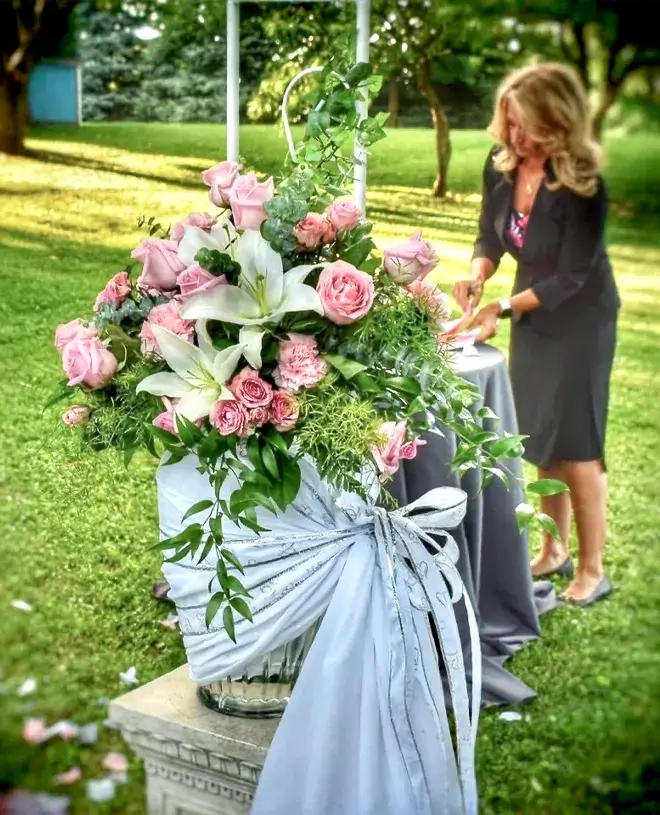

Wedding Coordination in Indianapolis with Weddings by Bretta
At Weddings By Bretta, our coordination services are designed to provide couples with structured, professional support throughout their wedding planning process and on the wedding day itself.
From timeline creation and vendor coordination to rehearsal management and wedding day logistics, our role is to make sure every part of the event runs smoothly.Because when the planning is organized and the coordination is handled correctly, the wedding day can unfold naturally without unnecessary stress.
And that is exactly what every couple deserves.
If you’re on the fence about a Wedding Planner or Wedding Coordinator, let’s connect over coffee and see what is the best for you.